
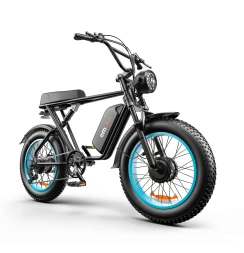
The gig economy—powered by giants like DoorDash and Uber Eats—experienced a dramatic, permanent surge starting in 2020. This sudden, high-volume demand for fast, last-mile delivery, especially for meals and groceries, forced a critical shift in how goods move across cities. In densely packed, topographically challenging cities like San Francisco, the traditional delivery vehicle, the car, proved to be an expensive and inefficient relic. The solution arrived in the form of the electric bicycle, fundamentally rewriting the economics and logistics of urban delivery.
The problems associated with using gas-powered cars for gig work in San Francisco were immense. Delivery drivers consistently faced crippling challenges like excessive traffic congestion, impossible parking situations, and high operating costs, including steep maintenance bills and frequent, costly parking tickets. For many couriers, these expenses severely cut into their already tight margins. As a result, surveys conducted by city agencies showed that nearly 70% of delivery workers were open to switching away from cars if a financial incentive were provided. This demonstrated a massive, latent demand for a better delivery tool.
The e-bike was the perfect answer. The battery-powered assist effectively nullified the challenge of San Francisco’s famous steep hills, allowing couriers to maintain speed and energy throughout long shifts. They could legally use bike lanes, bypassing gridlock, and quickly find space to park on sidewalks or in bike racks, eliminating the time-consuming hunt for a parking space and the risk of fines. Economically, e-bikes offer drastically lower operating and maintenance costs compared to cars, leading to a higher share of retained earnings for the workers. This blend of efficiency and improved income potential quickly established the e-bike as the preferred, sometimes iconic, mode of transport for local couriers.
This dramatic shift has, in turn, fueled a burgeoning demand for specialized e-bike services and supportive infrastructure. The city of San Francisco recognized this trend and launched innovative programs, such as the E-Bike Delivery Pilot, which provided free e-bikes, safety training, and accessories to gig workers. Furthermore, expanded city-wide rebate programs offer thousands of dollars to income-qualified residents to purchase e-bikes. These initiatives are essential because high-mileage delivery work requires durable, professional-grade bikes and frequent maintenance. The city's investment in subsidizing the adoption and providing support services—like repair and safety training—is not merely an environmental choice, but a direct response to the operational needs of the massive, new two-wheeled delivery workforce.